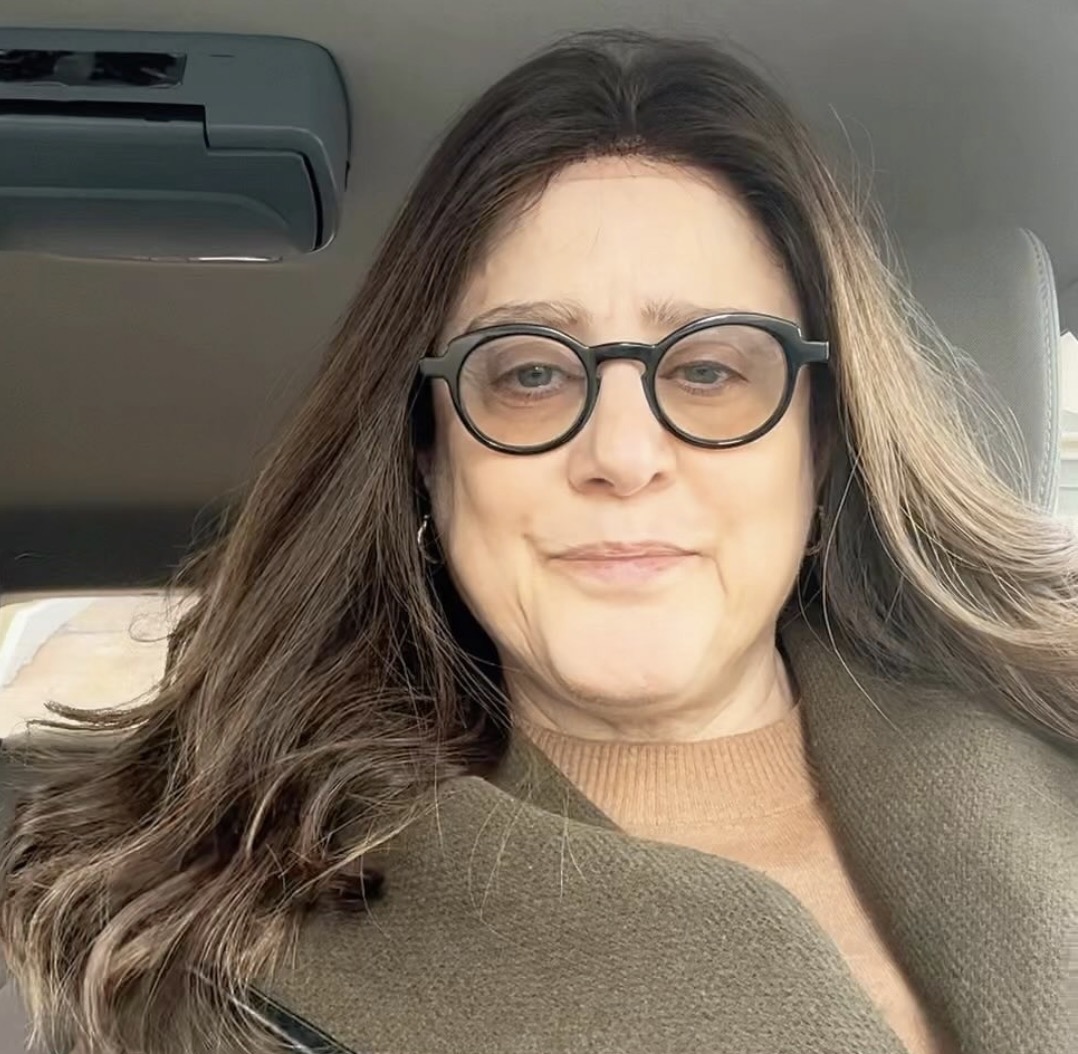
Hi, I’m Kara
I help women over 40 stop guessing what their body needs.
Maybe you’re doing what you’ve been told, but you still feel tired, stiff, or uncomfortable. Exercise leaves you aching instead of feeling better. Or you’ve collected plenty of health advice and have no idea which part applies to you.
That’s where my work begins. We look at what’s happening, what you’ve tried, and what your body is responding to. Then we choose something appropriate to try and check whether it helped.
I’m a health and fitness coach, but another workout plan isn’t always the answer. Sometimes you need a different way to move. Sometimes you need more food, better recovery, or a more manageable place to begin. We don’t know until we look.
I wasn’t the athletic kid
I grew up on Long Island, painfully shy and much more comfortable on my own than in a group. I liked tennis and ice skating. Gym class and team sports? Not particularly. I was mostly sedentary until my late teens.
Then I discovered aerobics and got hooked. I liked moving. I liked how I felt afterward. Unfortunately, enthusiasm and physical preparation are not the same thing.
I jumped into high-impact aerobics, running, and plenty of cardio before my body was ready for it. I kept pushing, and I kept getting injured.
For years, I was doing what looked healthy on paper without building the kind of capable, resilient body I wanted. I knew how to work hard. What I didn’t understand was why all that work wasn’t getting me there.
Before coaching, I was an economist
I majored in business, earned a master’s degree in economics, and worked in analytical roles, eventually becoming an economist for the U.S. government. Then I left to raise my family.
I’m a mother of five grown children and a grandmother. I know what it’s like to have your own health goals somewhere on a list that already includes everyone else’s needs.
I also know that having more information doesn’t necessarily solve the problem. I had plenty. I still had injuries, aches, and plans that didn’t work the way I thought they should.
The analytical part of me wanted to know why. Eventually, that question became a career.
I’m still introverted, curious, and inclined to investigate things for myself. I can happily disappear down a research rabbit hole. I’m also willing to question conventional wisdom when it doesn’t hold up. “Everyone says so” leaves me with a few more questions.
But I’m interested in people, not just explanations. Understanding why something might work is useful. Finding out whether it helps the woman in front of me matters more.
Exercise was only part of the picture
I became a certified personal trainer in 2016 and began working with women one-on-one, mostly in their homes.
Many were beginners or returning after injury or surgery. Others were dealing with ongoing health conditions, pain, or years of exercise that had never felt particularly successful. They didn’t need someone to tell them to try harder. They needed someone to pay attention.
The more I coached, the more I saw the limits of looking at exercise alone.
I completed Precision Nutrition Levels 1 and 2 because food and eating habits mattered to what women were trying to accomplish. I studied sleep, recovery, and behavior change because what happened outside a training session mattered too.
Later, a year-long mentorship in applied neurology for movement professionals gave me another way to investigate what I was seeing: how the brain and body respond to movement, stress, discomfort, and unfamiliar demands.
It changed the questions I asked. Instead of assuming someone needed a harder exercise or more determination, I looked more closely at what happened when we changed the movement, the instructions, or the amount we were asking her to do.
Did she move more comfortably? Did the exercise become manageable? What changed, and what didn’t?
That before-and-after check is still central to how I coach.
I use this approach myself
I’ve spent decades exercising, learning, getting things wrong, and figuring out what to do differently.
My own progress came from a combination of nutrition, strength training, Iyengar yoga, cardio, recovery, and learning to adjust instead of repeatedly forcing the same approach.
Over time, I became stronger, more mobile, and leaner. I became better able to do the things I wanted to do. In my 50s, my bone-density results also went from osteopenia to the normal range. That’s part of my personal history, not a result I can promise anyone else.
I still have days when I feel stiff or achy, and days when the workout I intended to do isn’t the workout that happens. I don’t teach from the other side of some imaginary finish line where life stops interfering.
What I have learned is how to notice a problem, question my first explanation, and make a useful adjustment. That’s a skill worth practicing.
It’s also why I’m optimistic about what women can learn and do as they get older. There may be real limitations to work with. That doesn’t mean we should assume there’s nothing left to improve.
What that means for you
I pay attention to how you move, what you tell me, what you’ve already tried, and what happens when we change something. I’ll ask questions. I’ll explain why we’re trying a particular approach. And I won’t give you six new things to do when one useful change would be a better start.
Movement, food, sleep, recovery, and the way you talk to yourself all belong in the conversation. None needs to become your full-time job.
With food, I use practical habits and portion guidance rather than making calorie counting or rigid meal plans the default. With exercise, we find a version you can use and build from. Modifying an exercise isn’t cheating. It gives you somewhere to begin.
The point is to have more of your life available to you: taking a long walk, getting down to the floor and back up, carrying the groceries, or having some energy left for something you actually want to do.
What matters to you may look different. That belongs in the conversation too.
I’m not a doctor, registered dietitian, or therapist. My coaching supports your health and works alongside appropriate care. It doesn’t replace it.
Why I’m building Ballast
I want the women I work with to understand more than which exercise to do or which habit to practice. I want them to understand how to make a useful decision when the usual advice doesn’t fit.
What do you notice? What might be contributing? What could you try—and how will you know whether it helped?
Those questions are at the heart of Ballast, the membership I’m building.
Ballast is designed to give women a place to practice this way of approaching their health, with support as they learn. Not a growing pile of lessons to keep up with, but useful tools they can return to, try in their own lives, and get better at using.
Because hearing something once and knowing how to use it on a difficult Tuesday are two different things.
I want you to feel more capable in your body and more confident deciding what to do next—not dependent on me to make every decision for you.
Training & credentials
My training includes:
- NASM Certified Personal Trainer
- Applied Neurology Specialist, Next Level Neuro
- Precision Nutrition Levels 1 and 2
- Certified Sleep Performance Coach Practitioner
- Pregnancy and Postpartum Corrective Exercise Specialist
- Certified Mindset Specialist
- 200-hour Yoga Teacher Training
- Group Lifestyle Balance Coach for the CDC Diabetes Prevention Program
- TRX Functional Training
A place to begin
The free Body Needs Decoder is an introduction to this approach. It helps you notice what’s happening, try one small experiment, and check what changed.
